

The benefits of breathwork.
The science-backed impact of breathwork on health and performance:
Improved Immune Response
Some studies suggest that practicing the Wim Hof Method (WHM) can influence the immune system, potentially making it more resilient to stressors.
Increased Energy
Many practitioners report feeling more energetic after doing the breathing exercises. Imagine starting your day with a natural energy boost.
Stress Reduction
The exercises can help reduce stress by influencing the autonomic nervous system and reducing the production of stress hormones.
Improved Mental Clarity and Focus
The increased oxygenation and reduced CO2 levels from the breathing exercises can lead to heightened awareness and concentration.
Enhanced Cold Tolerance
While this is more a result of the combined breathing and cold exposure techniques, the breathing exercises alone can help in preparing the body to withstand colder temperatures. It's a testament to the incredible adaptability of the human body.
cold water
✳︎
Breathwork
✳︎
sunlight
✳︎
grounding
✳︎
cold water ✳︎ Breathwork ✳︎ sunlight ✳︎ grounding ✳︎
How to practice breathwork for free
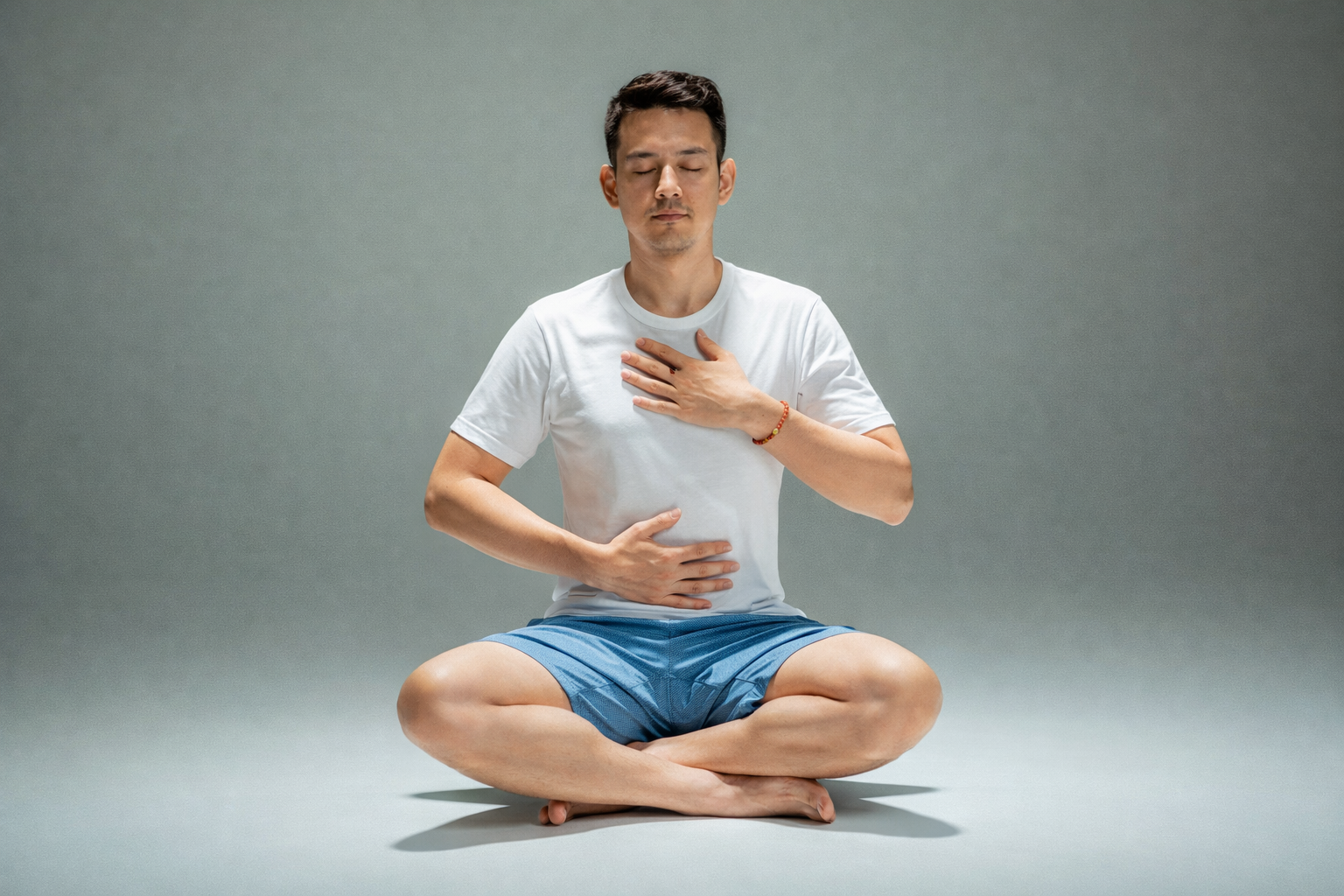
Simple Techniques: Practice diaphragmatic breathing, box breathing, or alternate nostril breathing at home.
Guided Sessions: Use free online resources or apps to guide your breathwork sessions..
different Breathwork Styles
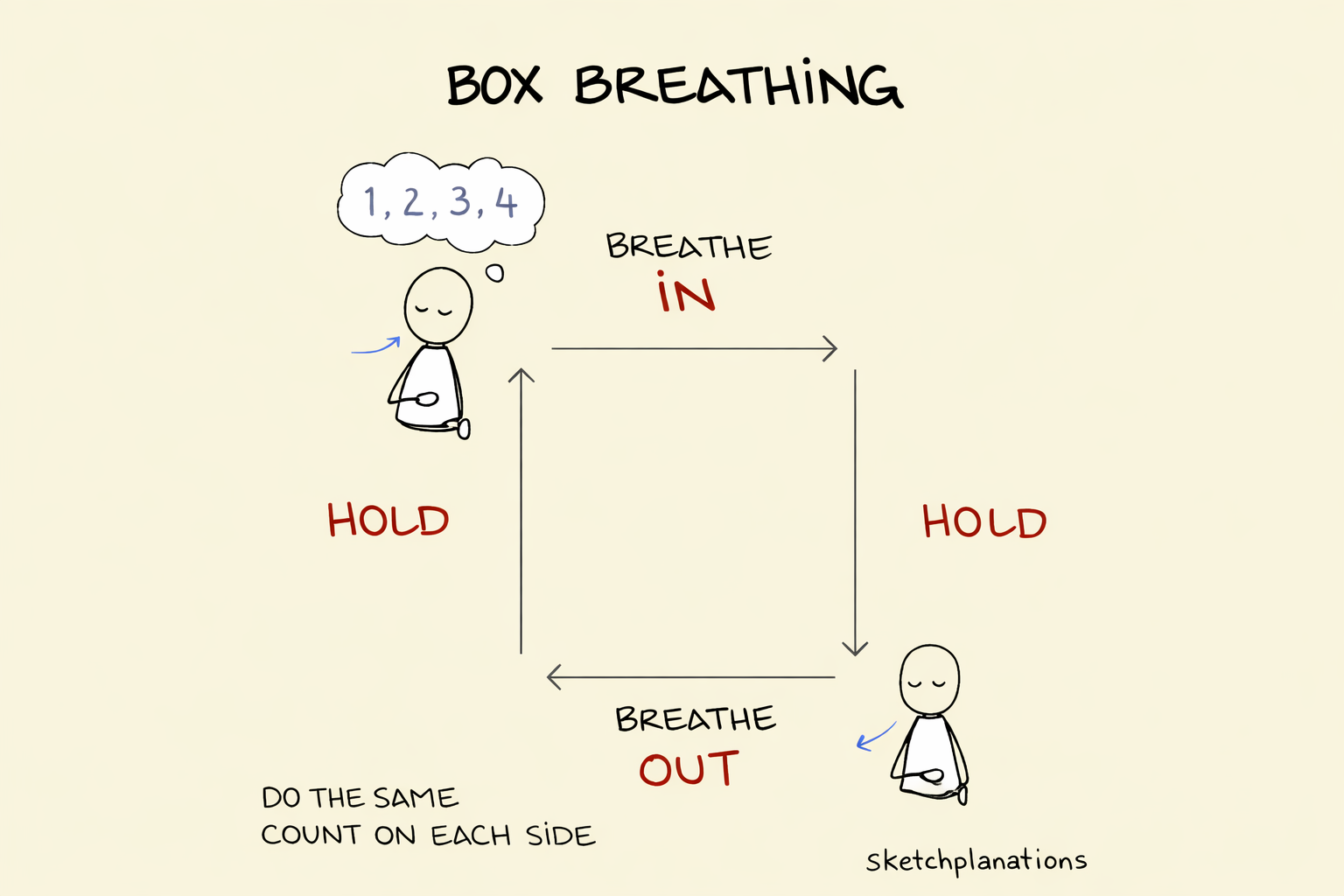
Box breathing (4–4–4–4)
How to do it:
Inhale through the nose for 4 seconds, hold for 4, exhale through the nose for 4, hold empty for 4, and repeat.
Why it helps: Slow, even breaths like this can lower stress hormones, calm the autonomic nervous system, and improve focus and emotional control, which is especially useful before calls, meetings, or sleep..
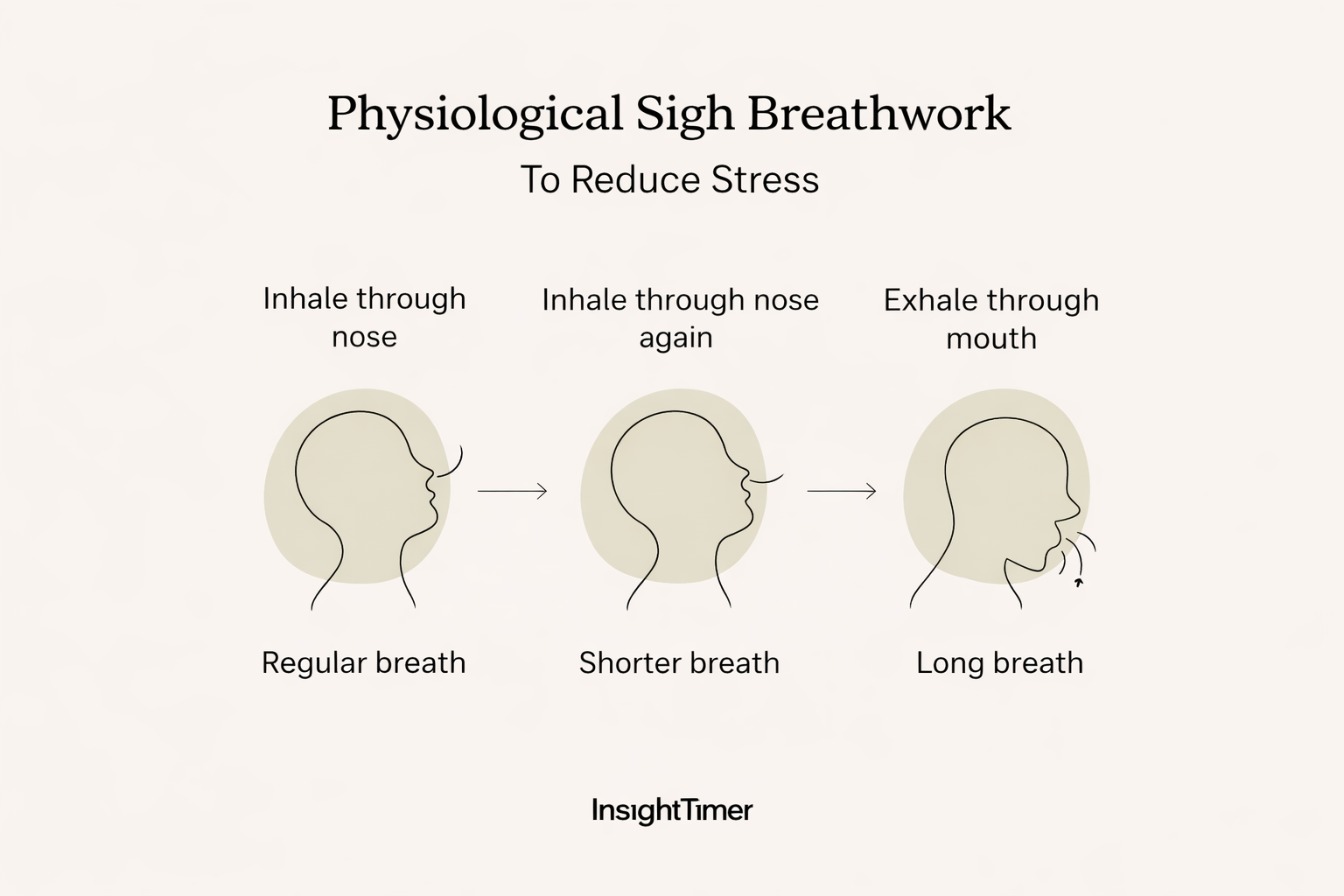
Physiological sigh
How to do it:
Take one deep inhale through the nose, then a short “top-off” inhale, followed by a long, slow exhale through the mouth; repeat for 1–3 breaths when you feel keyed up.
Why it helps: This double inhale plus extended exhale opens the lungs, balances oxygen and carbon dioxide, and strongly activates the relaxation response, quickly dialing down the fight-or-flight state.e.

Slow nasal diaphragmatic breathing
How to do it:
Breathe gently in and out through the nose, letting the belly expand on the inhale and soften on the exhale, aiming for about 5–6 breaths per minute.
Why it helps: Nasal, diaphragm-driven breathing slows the heart rate, improves oxygen delivery, and supports more stable blood pressure and stress resilience over time.
.